
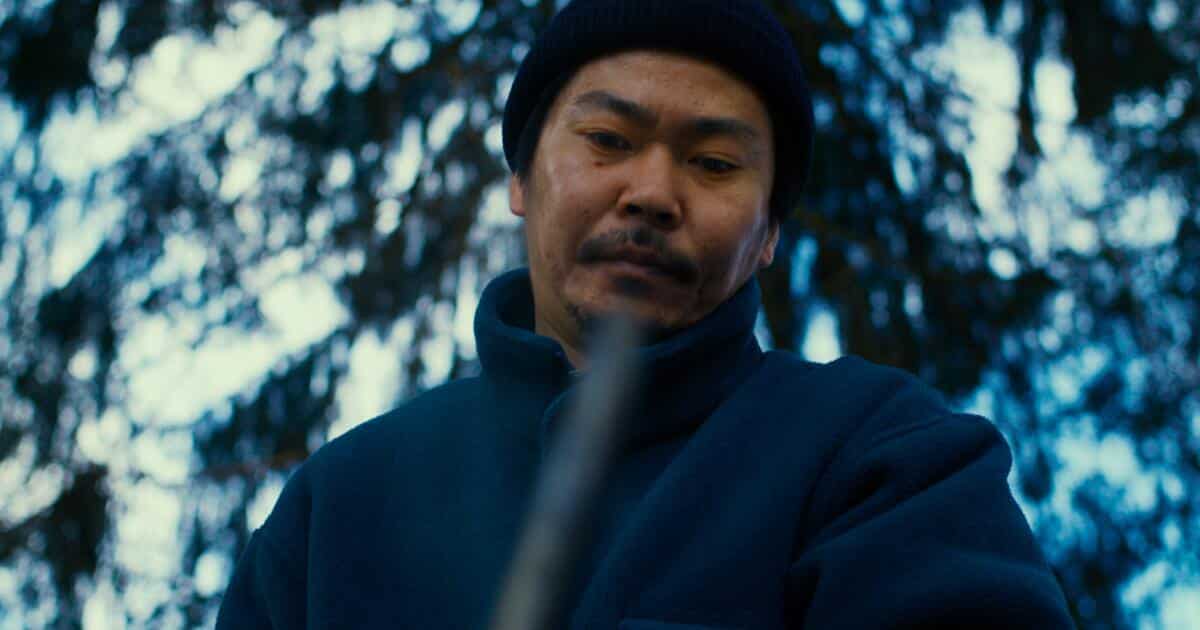
As Ryûsuke Hamaguchi’s captivating new film, “Evil Does Not Exist,” begins, viewers are treated to a tranquil journey through a snowy forest, underscored by an Eiko Ishibashi soundtrack that is both mellow and ominous. This peaceful scene prompts us to anticipate a looming malevolent disruption, particularly as the serene music comes to a sudden halt, replaced by the jarring sound of a chainsaw.
However, expecting traditional genre tropes from a nuanced and methodical storyteller like Hamaguchi would be misguided. While his work is rich in detail, the only guarantee is unpredictability. Hamaguchi’s last offering was the acclaimed “Drive My Car,” an Oscar-winning gem that solidified him as a master of contemporary narratives and complex emotional dynamics. His latest venture, “Evil Does Not Exist,” is an equally compelling and contemplative sequel. It explores the impending conflict between a close-knit rural society and a large corporation with invasive development plans.
The film follows Takumi (portrayed by the emotively unexpressive Hitoshi Omika), a man of few words and a single father who leads a simple life with his 8-year-old daughter, Hana (Ryo Nishikawa). Hana enjoys wandering through nature after school, especially when her father is too consumed with gathering wild wasabi for his friend’s noodle shop to pick her up. However, their peaceful life is threatened by the upcoming arrival of a luxurious glamping site for wealthy tourists, which could potentially disrupt not only their lifestyle but also the delicate balance of the ecosystem.
When representatives from the company – Takahashi (Ryuji Kosaka) and the reserved Mayuzumi (Ayaka Shibutani) – visit the village for a meeting, they face a full house. Their sugar-coated sales pitch falls flat, and the villagers, in a amusingly sardonic manner, raise concerns about pollution, staffing, fire risks, and environmental respect. It becomes apparent that the company is woefully unprepared and their representatives are not actual employees, but agents hired by a consulting firm.
This scene is a testament to Hamaguchi’s extraordinary ability to depict the tension and dynamics of an extensive verbal interaction. It feels like watching an action scene orchestrated by James Cameron, except the conflict here isn’t physical, but a battle between impersonal profit-seekers and eco-conscious villagers.
Hamaguchi excels at shifting narrative focus. After the village meeting, we follow Takahashi and Mayuzumi back to Tokyo. The urban landscape, captured by cinematographer Yoshio Kitagawa, appears starkly uninviting in contrast to the rural charm we’ve just left. Compared to the close-knit villagers, these corporate pawns, who find solace in each other during a long car ride, lead isolated and unfulfilled lives.
Despite their corporate masters’ greed, they are determined to make a difference. When they return with a naive plan to persuade the reserved Takumi to support the project, it creates a palpable sense of unease. This tension is heightened each time Ishibashi’s haunting score returns, only to be abruptly cut off, as if someone has pulled the plug – an effect that never ceases to surprise. Having previously collaborated on “Drive My Car,” Hamaguchi and Ishibashi have managed to create something even more captivating this time around.
As the story unfolds and the day extends, certain visual cues and circumstances hark back to our initial introduction to this world, leading us into the final moments of “Evil Does Not Exist.” The ending might bewilder you, but its strength lies in the details provided and the lingering questions about human aspirations and the timeless essence of nature. It’s as if Hamaguchi wanted to validate our deepest fears, while also affirming the paradoxical truth of the title.
Similar posts:
- Shocking Truth Unveiled in ‘Rob Peace’ Story of Race and Fate – Is It All It Seems?
- Shocking! ‘Sasquatch Sunset’ Actors Transform into Wild, Shaggy Beasts – Must See!
- Shocking Twist: ‘Speak No Evil’ Remake Ditches Dark Euro-Vibes for Unexpected Family Bonding!
- Shocking Revelations & Late Independence in the Stunning ‘Summer Solstice’ Review!
- Unstoppable Denzel Washington’s Shocking Schemes in ‘Gladiator II’ – You Won’t Believe What’s Next!

My name is Alex Carter, a journalist with a deep passion for independent cinema, alternative music, and contemporary art. A University of California, Berkeley journalism graduate, I’ve honed my expertise through film reviews, artist profiles, and features on emerging cultural trends. My goal is to uncover unique stories, shine a light on underrepresented talents, and explore the impact of art on our society. Follow me on SuperBoxOffice.com for insightful analysis and captivating discoveries from the entertainment world.