
“X-Files” didn’t just become a cult classic series by chance. It revolutionized modern television by blending science fiction, conspiracy, and cinematic aesthetics, thereby influencing current series in terms of narration and themes.
The X-Files series, created by Chris Carter, is one of the most influential television works of the 1990s, and its impact can still be felt today. Through its plots blending science fiction, conspiracy, and detective investigation, X-Files revolutionized the television landscape and helped shape what we now call “modern television”.
Sommaire
A Trailblazing Format for its Time
Firstly, X-Files reinvented the narrative structure of television series. Aired from 1994 to 2003 on M6, the series mixed two distinct approaches: standalone episodes with a “monster of the week” and an overlying thread about a vast alien conspiracy. This hybridization, then uncommon on television, enabled the series to hold viewers’ attention in the short term while developing a complex narrative over many seasons.
This narrative model has inspired many modern series, especially in the genres of science fiction and detective, such as Lost, Fringe, or Stranger Things. These series often oscillate between plots resolved in one episode and narrative arcs that stretch over multiple seasons, creating a rich mythology.
A Cinematic Aesthetic
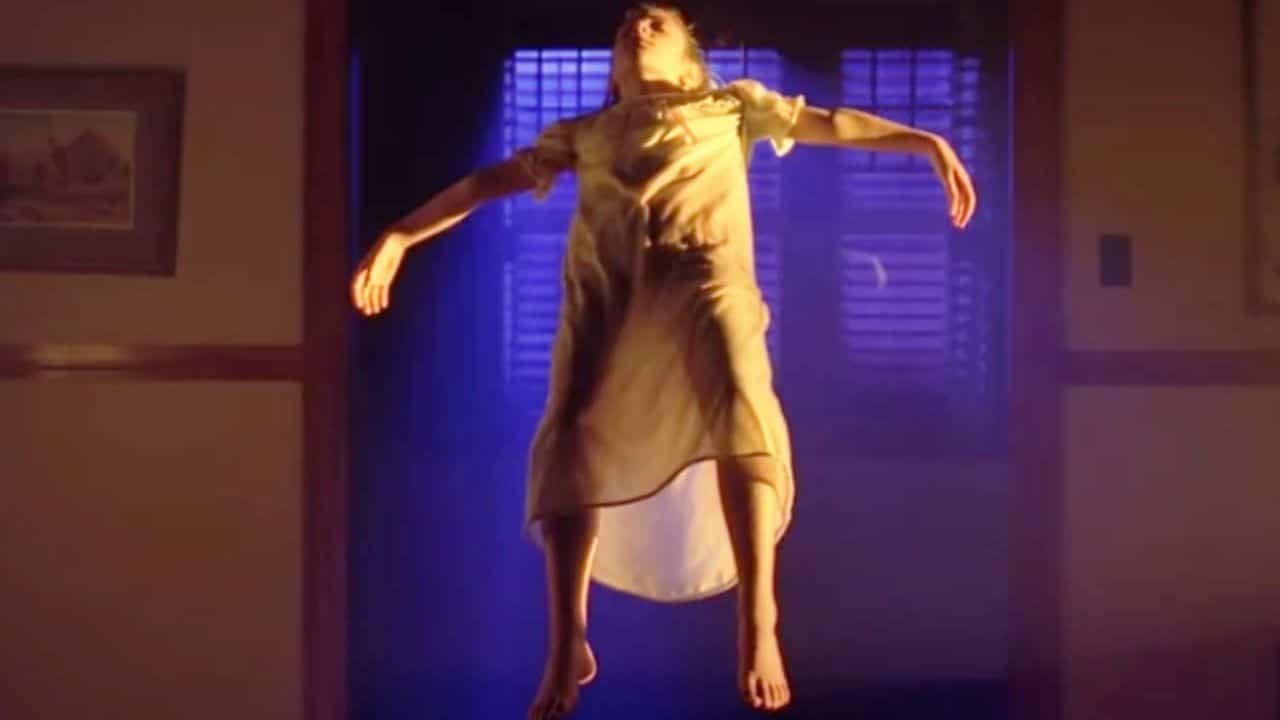
X-Files also pushed the boundaries of visual aesthetics on television. Inspired by series like Twin Peaks, it adopted a cinematic approach with dark, stylized, and often unsettling scenes. This attention to staging, rare at the time, helped to elevate the visual quality of TV series, proving that a television show could compete with cinema in terms of aesthetics and dramatic tension.
Today, series like True Detective adopt this immersive visual approach, emphasizing careful visual storytelling and elaborate atmospheres that do not solely depend on dialogue to captivate the audience.
The Influence of X-Files on Current Themes
Another revolutionary aspect of X-Files lies in its critique of government institutions and its exploration of conspiracy theories. In a post-Cold War era, the series questioned the actions of governments, touching on themes of manipulation, surveillance, and control. This discourse, relevant in the 1990s, has proven even more prophetic with the evolution of current political debates on government transparency and conspiracies.
A few years later, series like Homeland and Mr. Robot drew directly from these themes to critique the impact of government actions on society. X-Files thus paved the way for a more politically engaged type of storytelling, while foreshadowing the climate of paranoia surrounding our modern societies.
An Unforgettable Pair of Characters
Finally, the duo of Mulder and Scully, portrayed by David Duchovny and Gillian Anderson, became iconic. Their dynamics, based on the conflict between belief and skepticism, established a new standard for relationships in series. This duo is often cited as a reference for later series, from the ambiguous partners of Bones to the duo in Castle.
X-Files redefined television, whether in terms of narrative structure, visual aesthetics, or societal themes. It paved the way for modern television, which dares to explore more complex plots, cinematic visuals, and deep social critiques.
The entire X-Files series is available on Prime Video until October 9.
Similar posts:
- Lost Star’s Sci-Fi Series Drops on Netflix Today! You Won’t Believe Where It Came From!
- Elon Musk Accused of Copying by Sci-Fi Director: ‘My Robots’ vs Cybercab & Optimus Drama!
- Where Does Alien Earth Fit in the Alien Sci-Fi Saga? Shocking Timeline Revealed!
- Shocking True Story of Cult in Netflix’s Anthracite – What They Don’t Want You to Know!
- Stranger Things Movie: Creators’ Dream Revealed! What does Netflix Say? Shocking News!

My name is Alex Carter, a journalist with a deep passion for independent cinema, alternative music, and contemporary art. A University of California, Berkeley journalism graduate, I’ve honed my expertise through film reviews, artist profiles, and features on emerging cultural trends. My goal is to uncover unique stories, shine a light on underrepresented talents, and explore the impact of art on our society. Follow me on SuperBoxOffice.com for insightful analysis and captivating discoveries from the entertainment world.